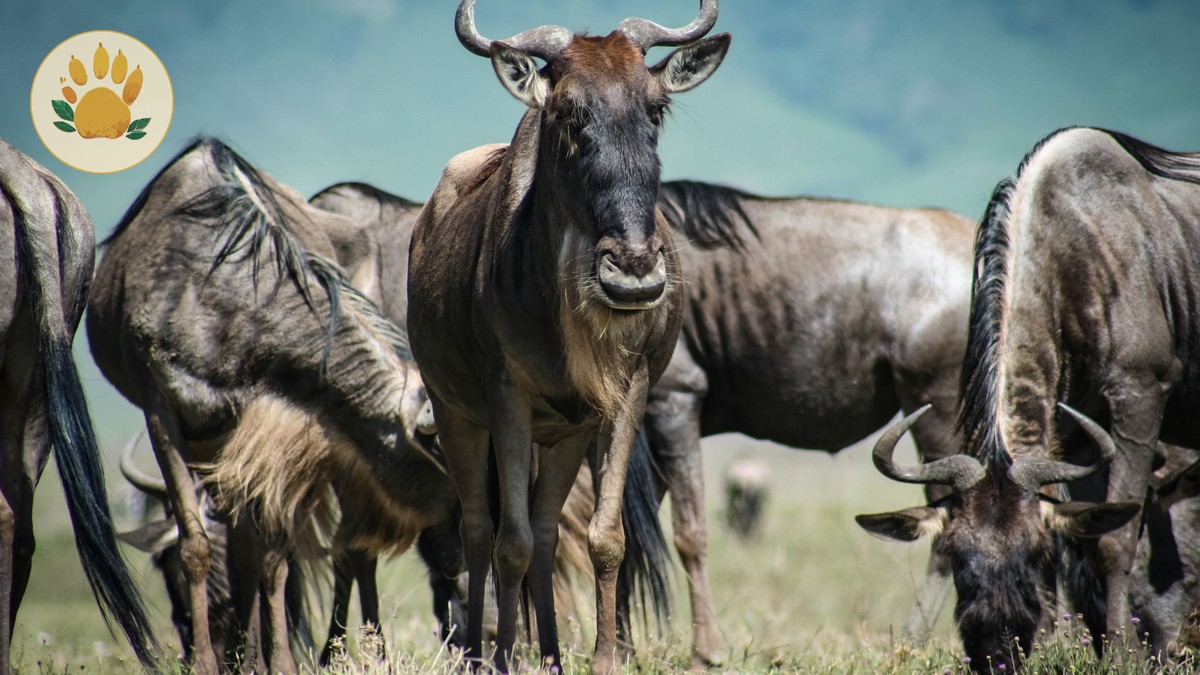
So you have done the Masai Mara. You have watched the wildebeest cross the Mara River, or waited in a line of vehicles over a lion kill. The second Kenya safari should not be a rerun. These five picks give repeat visitors new species, new activities and a quieter kind of wild.
Best Kenya Safari Parks for Repeat Visitors
For a repeat Kenya safari, choose Samburu for rare northern species, Laikipia for private conservancies and conservation activities, Amboseli for elephants and Mount Kilimanjaro views, or Meru for solitude and varied scenery. Return to the Mara only if you want a private conservancy experience with night drives, walking and fewer vehicles rather than another standard reserve stay.
The right pick starts with one question: what did your first safari lack? Rare species point to Samburu. Walking, riding and conservation work point to Laikipia. Elephants and mountain light point to Amboseli. Empty horizons point to Meru. If the Mara still calls, experience it privately in Naboisho or Mara North.
Samburu vs Amboseli vs Meru vs Laikipia
Samburu is the strongest choice for Grevy’s zebra, gerenuk, reticulated giraffe and dry river landscapes. Amboseli suits elephant lovers and dramatic Kilimanjaro views. Meru offers quiet drives, rivers and rhino. Laikipia delivers conservancy-based activities such as walking, horseback riding and conservation visits. The best park depends on what your first safari lacked.
The table compares wildlife, fees and travel time. Flight times are approximate from Wilson Airport. For conservancies, the fee is bundled into your lodge rate.
| Destination | Best for | Entry fee, non-resident | Drive from Nairobi | Flight from Nairobi |
|---|---|---|---|---|
| Samburu National Reserve | Grevy’s zebra, gerenuk, dry Ewaso Ng’iro river | Indicative USD 70-90 per day | 6-7 hours | 1 hour 15 min |
| Laikipia conservancies | Walking, riding, rhino, night drives | Bundled into lodge rate | 4-5 hours | 40 min |
| Amboseli National Park | Elephants, Kilimanjaro views | USD 90 per day | 3.5-4.5 hours | 40 min |
| Meru National Park | Quiet drives, rivers, rhino | Indicative USD 70-90 per day | 5-6 hours | 1 hour 30 min |
| Private Mara conservancies | Exclusive Mara, fewer vehicles | USD 80-150 per night, bundled | 5-6 hours | 45 min |
1. Samburu National Reserve: Rare Northern Species
Samburu National Reserve runs along the Ewaso Ng’iro River in northern Kenya. It is the best place to see species you could miss in a lifetime of Mara visits: Grevy’s zebra, gerenuk, reticulated giraffe, Beisa oryx and Somali ostrich. The river pulls elephants and predators through the midday heat.
Samburu fees are set by Samburu County, not KWS. Expect an indicative USD 70 to 90 per adult per day. The drive from Nairobi takes six to seven hours, so many repeat visitors fly. The flight is about one hour and fifteen minutes. Camps such as Saruni Samburu and Elephant Bedroom Camp sit near the river and arrange guided walks nearby.
A favorite route linking both is the Samburu and Meru safari circuit, which joins the two parks without backtracking.
2. Laikipia Conservancies: Walking, Riding and Rhino
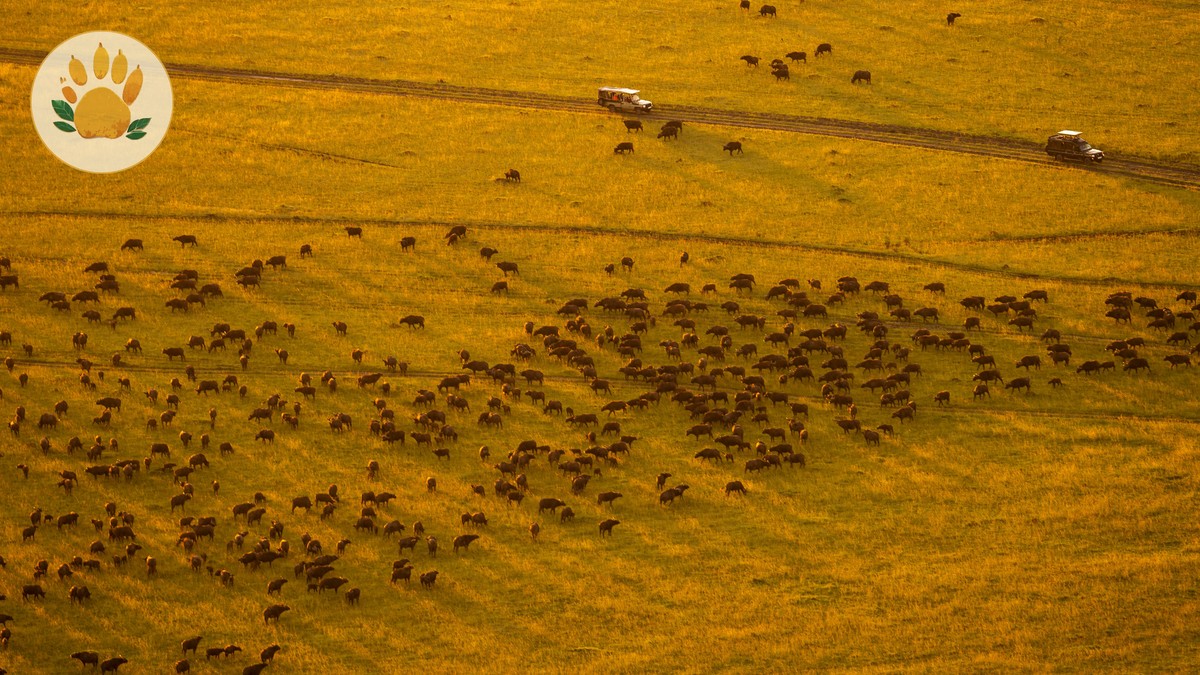
If your first safari never left the vehicle, Laikipia is the cure. Laikipia conservancies such as Lewa, Ol Pejeta, Loisaba and Borana are private land stitched into wildlife space. You can walk with a guide, ride horseback among zebra, track rhino on foot, and take night drives that public parks restrict. Ol Pejeta and Lewa protect key rhino populations.
Fees are bundled into lodge rates. A peak-season night runs an indicative USD 600 to 900 per person. The payoff is freedom: no gate curfew, no queued vehicles, no fixed route. Nanyuki is a 40-minute flight from Nairobi, or a four-hour drive. Spend three nights here, then fly on to Samburu or the Mara.
3. Amboseli National Park: Elephants and Kilimanjaro
Amboseli National Park is a KWS park, with a non-resident entry fee of USD 90 per adult per day. You come for elephants and mountain views. The swamps stay green through the dry season, so herds gather in numbers that are rare elsewhere. Mount Kilimanjaro rises just across the border, and on clear mornings the big tuskers walk toward it.
Amboseli is the easiest add-on on this list. The drive from Nairobi takes three and a half to four and a half hours. The flight takes about 40 minutes. Tortilis Camp and Ol Tukai arrange early drives to Observation Hill. The trade-off is popularity, so take the early morning slot.
4. Meru National Park: Quiet Rivers and Solitude
Meru National Park is the quiet pick, and the one most first-time visitors skip. It has rivers, doum palms, red dust tracks and a serious rhino sanctuary. Where the Mara gives spectacle, Meru gives space. You can drive an hour and meet only your own dust.
Meru is a KWS park. Entry fees run an indicative USD 70 to 90 per adult per day. It lies about 350 kilometers from Nairobi. The drive takes five to six hours, or 90 minutes by flight to Mulika airstrip. Elsa’s grave from Born Free sits by the river, and few visitors come. Budget three nights. Meru rewards patience.
5. Private Mara Conservancies: Naboisho and Mara North
Private safari conservancies usually cost more but offer experiences restricted in Kenya’s public parks, including night drives, guided walks, off-road viewing and sometimes fly-camping. National parks and reserves can provide lower entry and accommodation costs. Conservancies trade a higher nightly rate for fewer vehicles, flexible activities and a more exclusive experience.
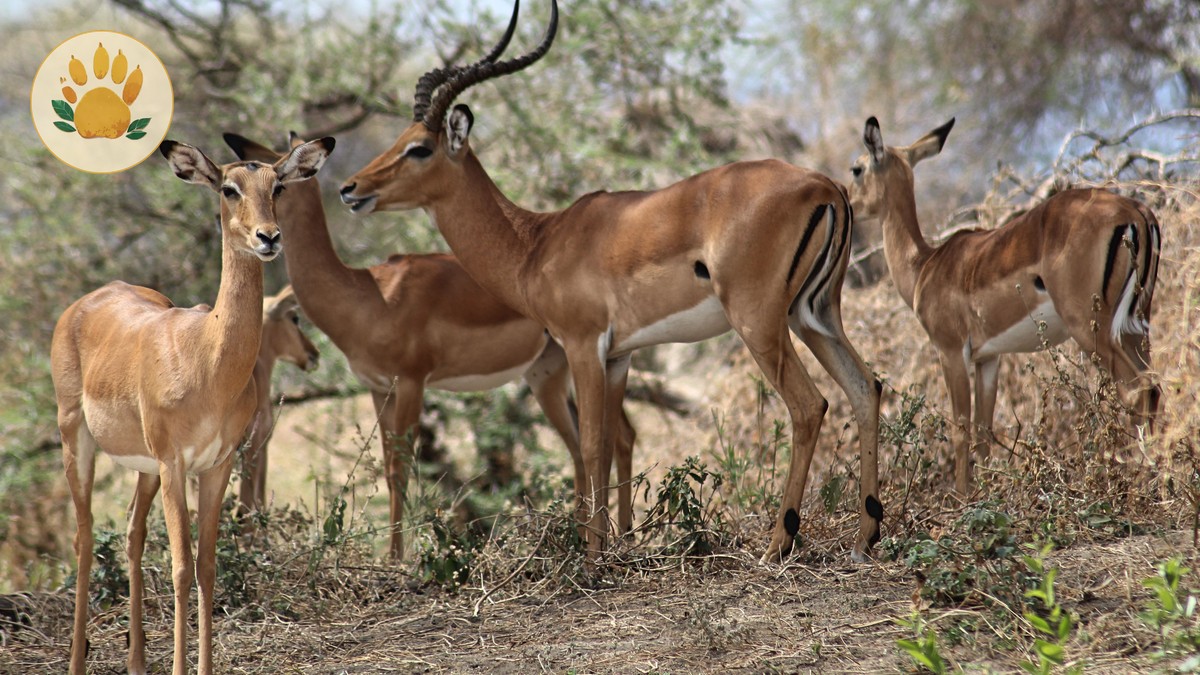
If the Mara is calling, Naboisho and Mara North are the answer. They sit beside the reserve and share the same wildlife. The public reserve costs USD 100 per adult per day from January to June, and USD 200 from July to December. Conservancy fees are bundled into lodge rates at roughly USD 80 to 150 per person per night, rarely lower. Night drives, bush walks and empty sundowner spots change the rhythm completely. If your first trip used the public reserve, this is the upgrade.
How Many Days Do You Need for a Second Kenya Safari?
Allow seven to ten days for one main region, with two or three nights per camp. For two regions such as Laikipia and Samburu plus a Mara conservancy, plan ten to twelve nights. Add extra time for the coast only after allowing for internal flights, transfer delays and enough nights in each camp to settle into the landscape.
A solid rhythm is three nights in one region, a short flight, then two nights elsewhere. Long drives eat game hours. SafariPure plans these routes with transfer math included, so you spend more hours in the park and fewer in the car. If you add the coast, give it four nights and plan the route in advance.
Repeat Safari Costs and Logistics
Indicative peak-season rates in a private conservancy run about USD 600 to 900 per person per night. A comparable reserve-adjacent lodge costs USD 350 to 550. Charter flights commonly add USD 150 to 350 per person per leg. Driving Samburu from Nairobi can take roughly six to seven hours, so flying often pays for itself on shorter trips.
Fee reminders: Amboseli runs USD 90 per day. The Mara reserve runs USD 100 from January to June and USD 200 from July to December. Conservancy fees sit inside lodge rates, so the headline figure looks larger and the final bill surprises less. For coastal plans, the Tsavo Coast safari itinerary covers the overland route, and the Kenya safari and beach extension adds the Indian Ocean without rushing the parks.
Plan Your Second Kenya Safari
Every repeat visitor has a different first safari behind them. Tell SafariPure what you saw, what you loved, and what you missed. That is the starting point for picking the park, camp and season. SafariPure builds the route around your gap, not around a standard circuit. Start the conversation on the SafariPure contact page and let the second safari go deeper.